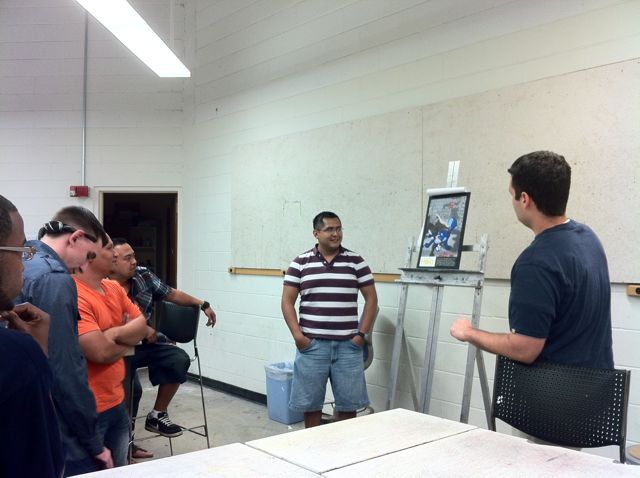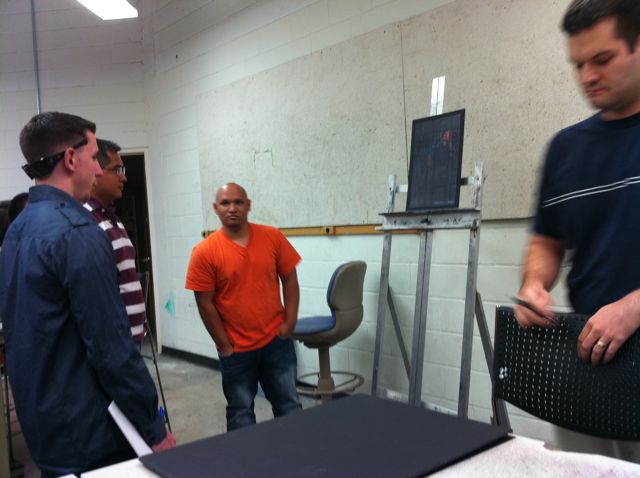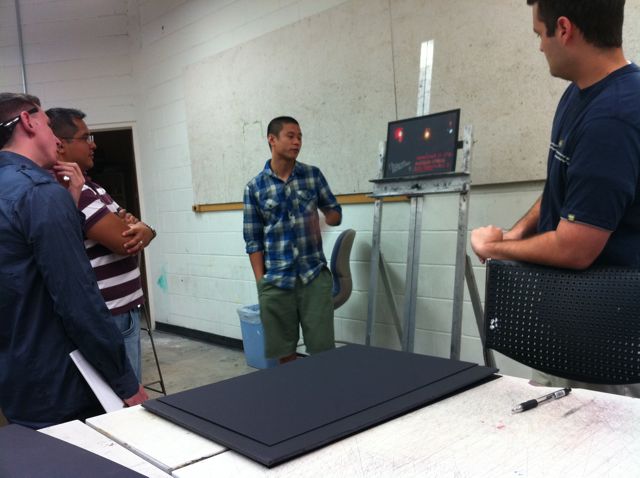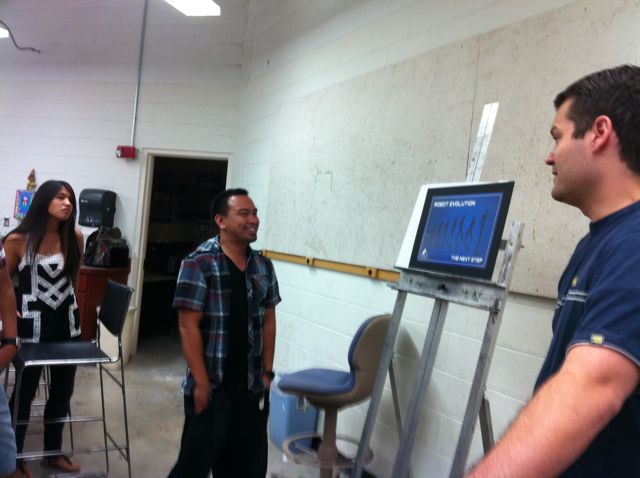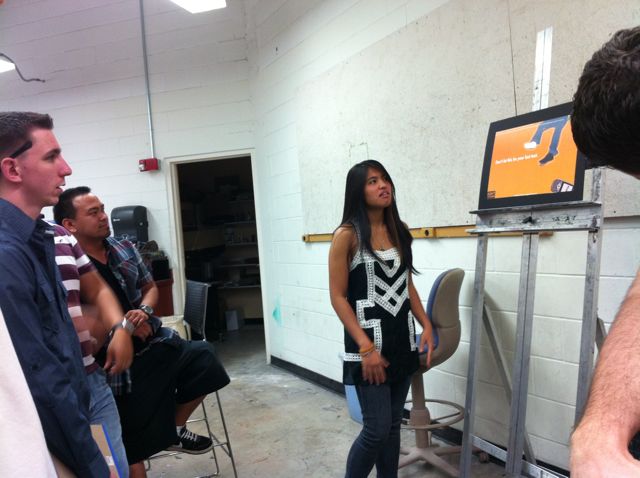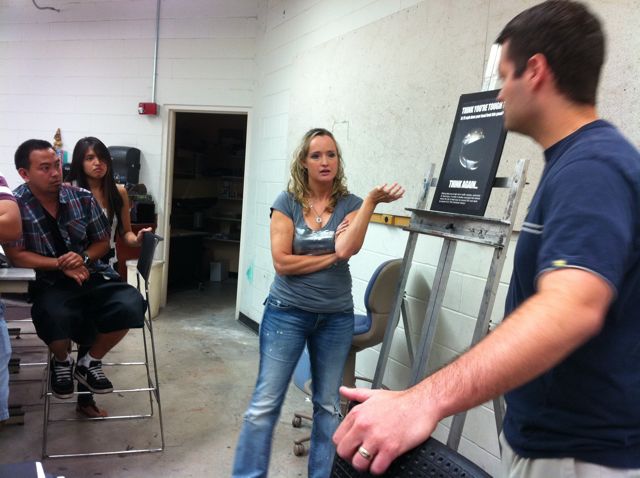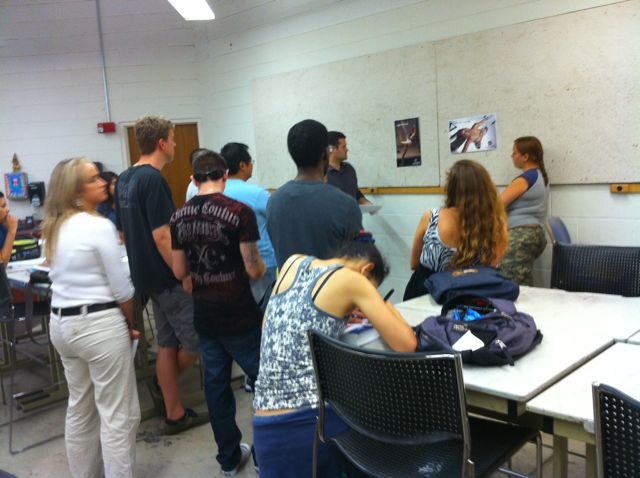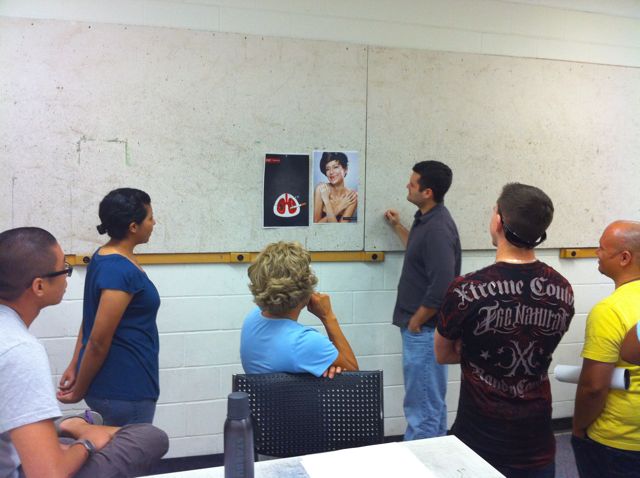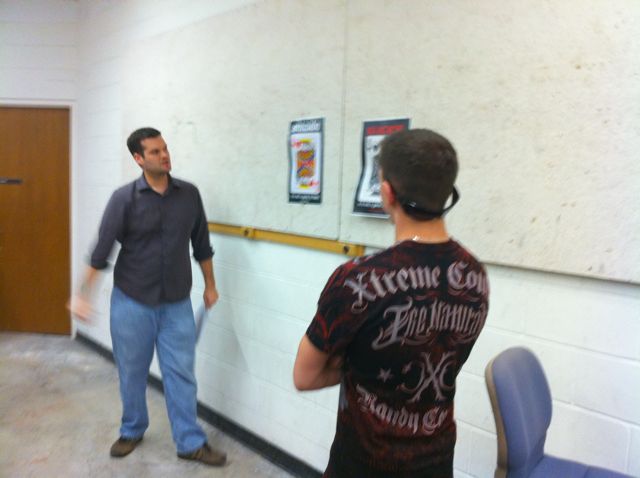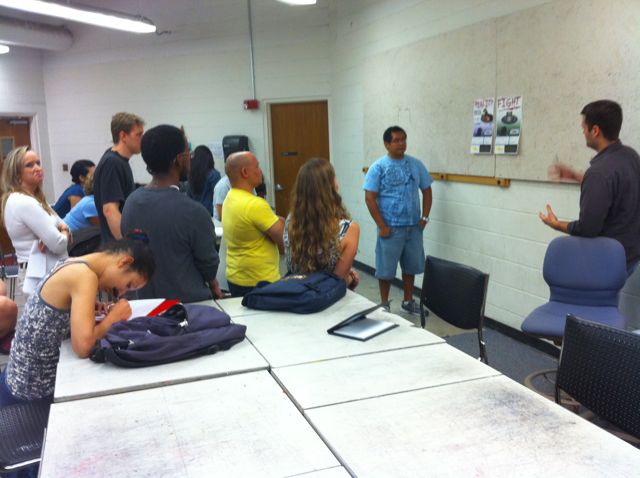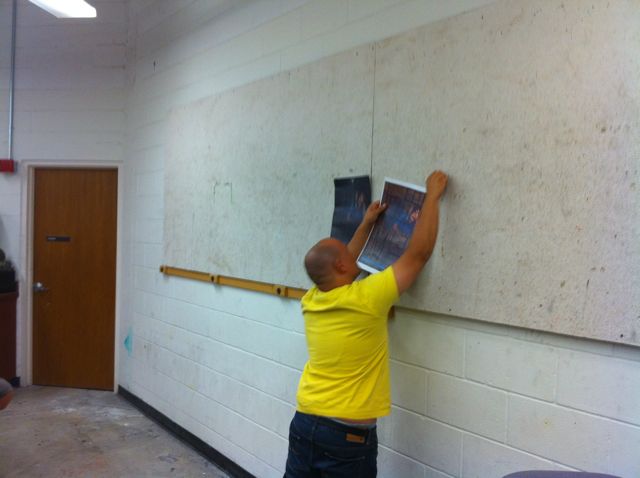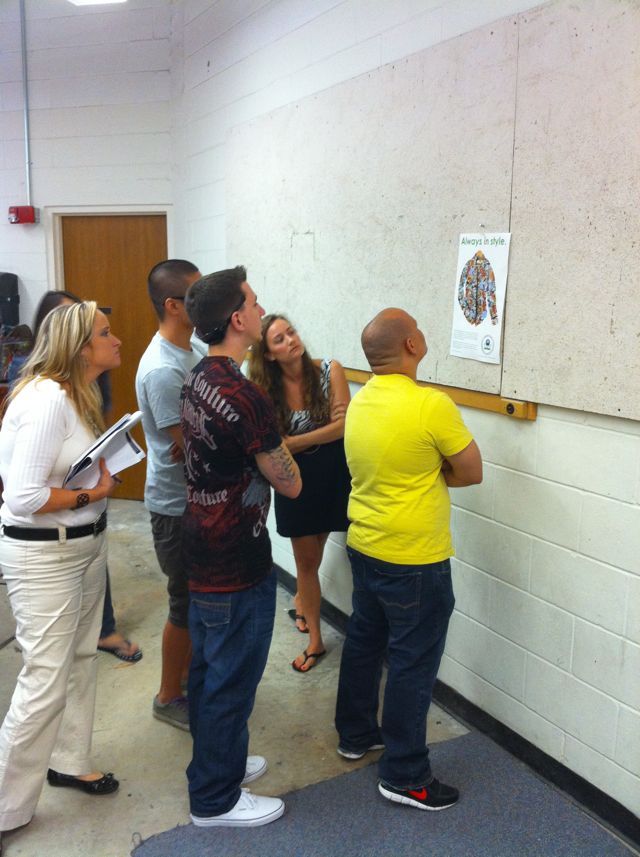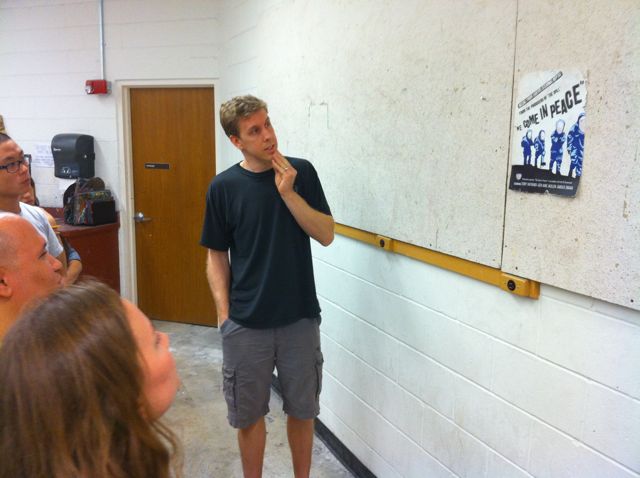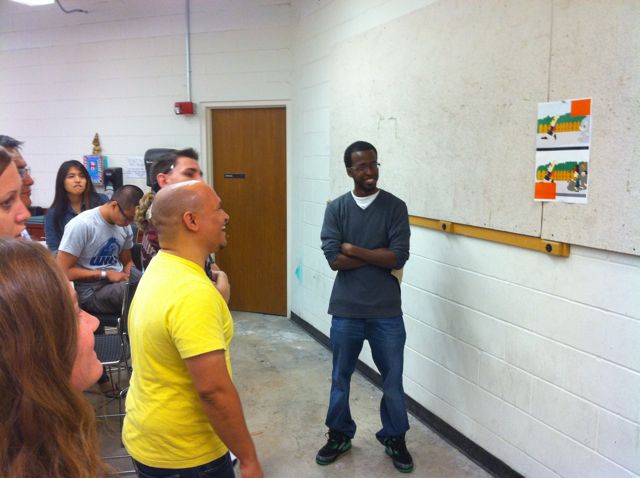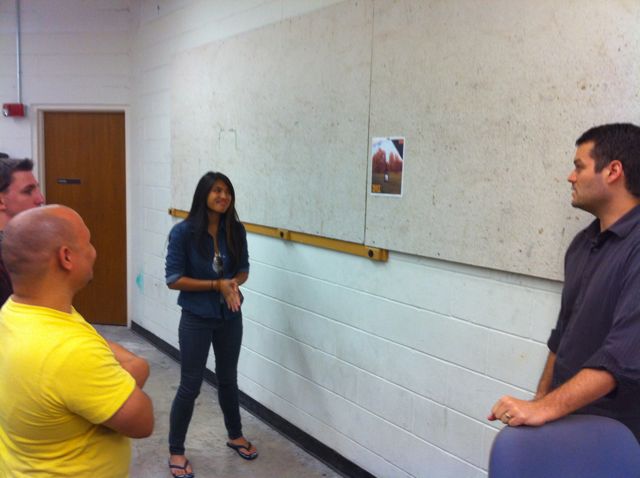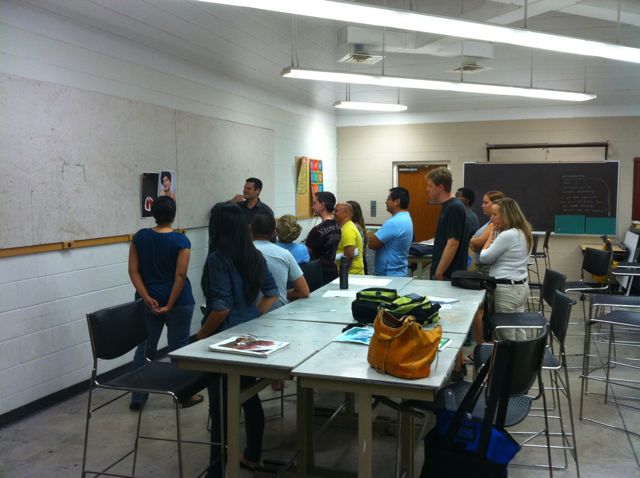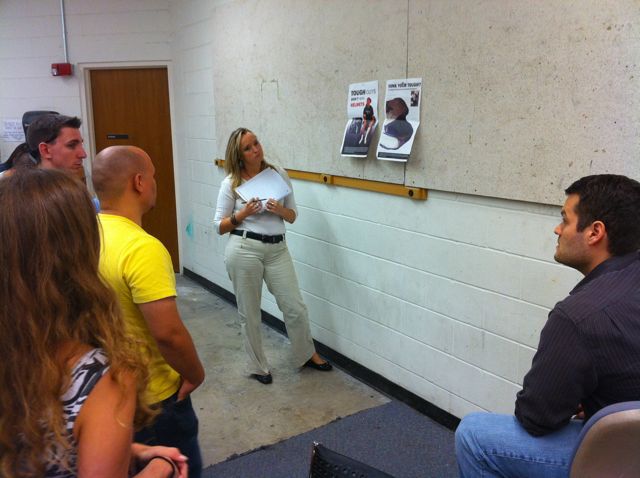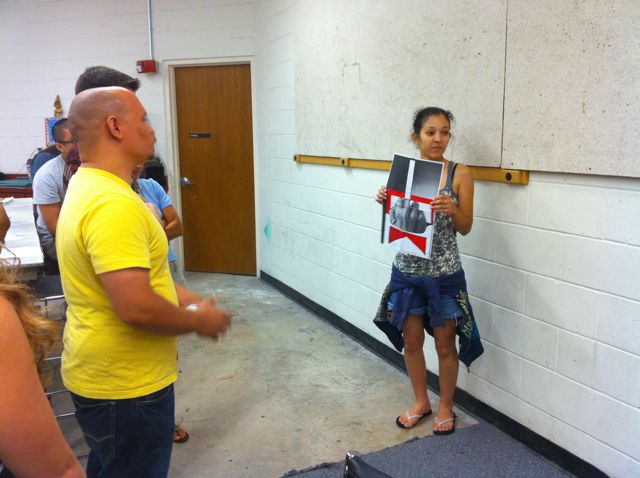
This week Prof. B gave me the opportunity to lead out in the discussion. This marked a first for me. In the past I have always been in the student body—a significant difference from leading out. Rather than being a voluntary member of the group my role was to engage and manage the group discussions—keep them moving, helpful to the student and informative in the process. The students were not aware of the session change until they showed up to class and Prof. B made the announcement. Upon informing the class that discussion was going to go a little differently he handed the class over to me.
In preparation for the discussion there were a couple things that I wanted to accomplish and some thing I wanted to avoid. First and foremost I wanted the session to benefit the students and add value to their class experience. I wanted the discussion to be advantageous to their specific projects by providing feedback and guiding the discussion in a way that a wide range of ideas and input could be shared. I chose to reread some of Barbara Davis’s Tools for Teaching, specifically the “First Days of Class” chapter and the “Leading a Discussion” and “Encouraging Student Participation in Discussion” chapters. In addition to this preparation I researched both the assignment they were faced with and effective critiquing techniques. Each aspect of my preparation was helpful in effectively guiding and critiquing the students work for week 5.
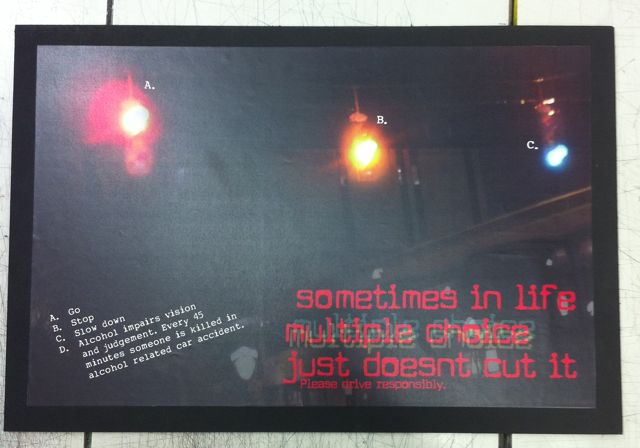
Although it wasn’t the “First day of classes” for this class as a whole I was still able to pull some key ideas going in as instructor for the class from the book. The class role, only having 14 students, permits a very casual and open environment. Each student has the opportunity to be a part of the discussion and thus far in the 5 weeks there hasn’t been any trouble with specific students dominating the conversation. There are however noticeably quieter voices in the group—which was one of my challenges I set out to address. Rather than discussing course expectations and classroom policies I chose to talk about how our specific discussion would go. I wanted to reassure them that I would be conducting critiques similar as Prof. B had done previous classes. I informed them what I expected from each of them as they presented their rough concepts. I wanted to know that they were thinking about the broader concept and not just making another advertisement. I asked each of them to talk about which market they were targeting, which magazine they saw their ads running in and to highlight their call to actions. With that we were off to the races.
In an effort to create an environment that reflects what the students might find when they graduate, Prof. B has adopted a critique style that at first I struggled with. He treats it much like a mini agency where all the students provide critique, feedback and ideas regarding their work. Then Prof. B and the other students decide which concept the pupil under consideration should pursue. My initial struggles arose because I felt that it is the student’s portfolio and concepts up for hire—not the classrooms. So how much help is too much help? At the same time it is the students execution that will either make or break the design. What Prof. B teaches is collaboration and in a sense teamwork—which is key when it comes to the “real world”.
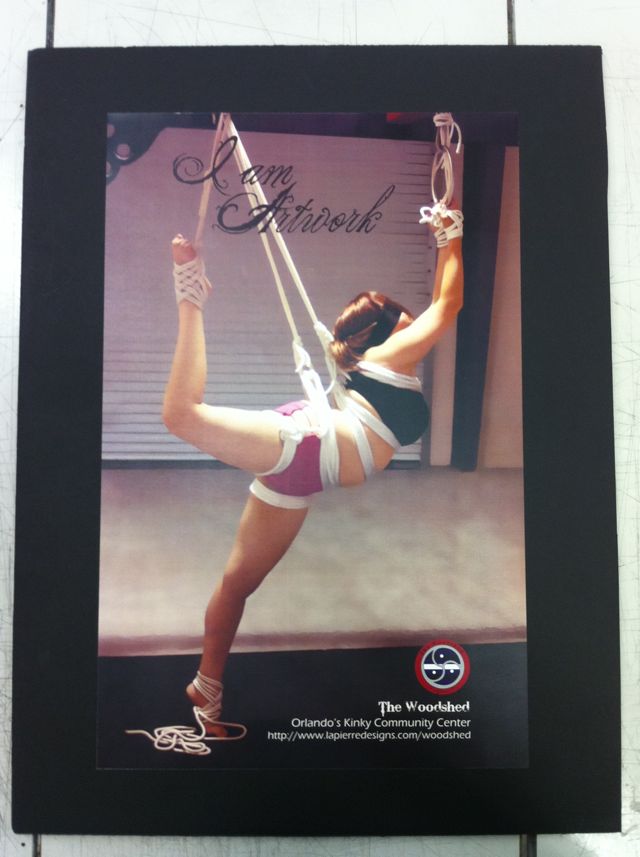
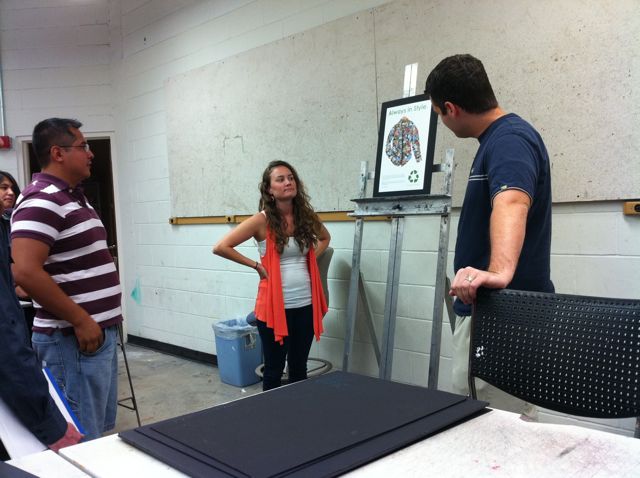
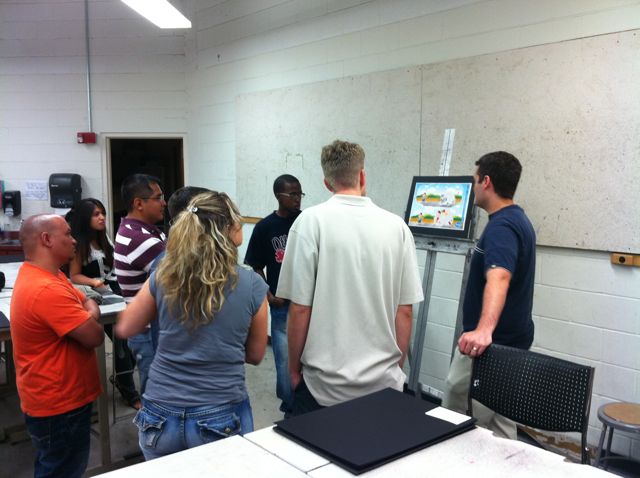
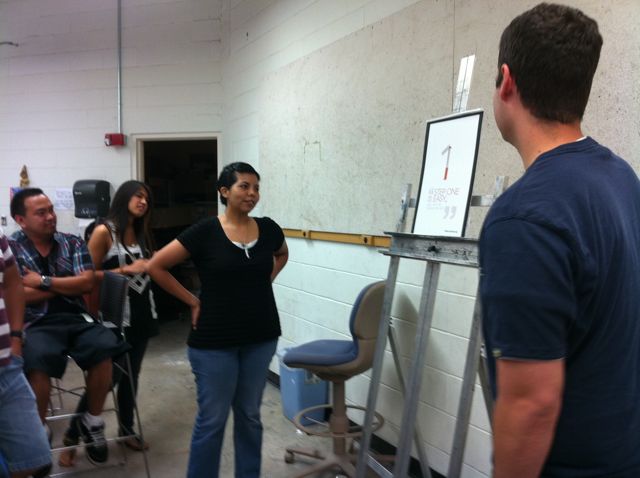
In the short time from the beginning of class till week 5 it was clear that students are growing in the quality and complexity of their concepts. The majority of students presented their ideas and had several solid directions that they could go. Some had great concept after great concept and only a few had dismal work to show. Each student’s critique followed a similar agenda. First the student would explain all their concepts followed. Rather than sharing my opinion right away I asked the students what they thought. If the sketches were in a sketchbook I would close the book and see which concept was the most memorable—requiring each student to provide their input. After several students had given their analysis I provided my feedback. As I shared my thoughts, I consciously made the effort to share reasons for each of my comments demonstrating that design critiques are not just personal opinions but carefully assessed design decisions. Does the design solve a problem? Is it appropriate for the audience? Is it fresh and dynamic or has it been done before? With the help of all of the students I would narrow the approaches to the best or couple best concepts and give the student the choice of which direction to take their project. There were two students who did not complete the assignment as required in the assignment. As a “guest” instructor I was a little unsure how to approach the situation and was relieved when Prof. B did chime in. In retrospect I should have discussed with Prof. B what to do in that instance as it had happened on the previous assignment as well. One student had created multiple drawings without any real concepts or strategy. Not only did this student not stick to the limit of two products but she did not develop any of her concepts beyond the first iteration—nothing that could be shown as a three ad series. The other student flat out did not have any sketches to show. Expressing his remorse he started into explaining his ideas. After 30-40 seconds of rambling I stopped him asked him if he could recognize how it not only hurts his concepts but it limits the classes abilities to be of any help. Fortunately Prof. B took over at this point as it was his rules that the student had broken. The previous week he had explicitly outlined the assignment and what the penalty was if ALL the students did not complete all 15 sketches. The penalty was that all the students would have to create 5 more campaign sketches. Prof. B explained that he didn’t want to have to do it, but if he didn’t keep his end of the bargain than his word was basically meaningless.
After the critique I had a few remarks to the class and then directed the attention back to Prof. B to see if he had any closing remarks. He briefly outlined the progression of the assignment for the following week and then dismissed the class. Several students had questions which I was able to help them with regarding stock photography.
After class I wanted to debrief with Prof. B to hear how he thought the class had gone. He remarked that he was pleased with the discussion and commented that I had done a good job of engaging all the students. He brought up the “hide the concept” approach testing for memorability and thought he would try it in future classes. Pressing harder for areas of improvement I asked him what two things I could do differently to improve the students experience. After thinking about it for a moment he recommended using the pen more. I had a black sharpie and a red pen for marking comments on the sketches, but rarely used them in the critique. From his experience he found that even the best students rarely write down the feedback and much of it can be lost or misinterpreted later on. Secondly he thought that calling out the students who are not making the effort would be appropriate. Unengaged students hurt the whole class when the instructor sends the message that it’s acceptable.
Overall the experience was enjoyable. It was a great stepping stone to a full class lecture and established my role as instructor rather than observer in the class. In preparation for leading out in the discussion I did a lot of research about critiquing design work. I jotted down some of the concepts I came across and compiled a document to bring to class. I still feel that the students need help to critique the work. They are discussing the work, but important aspects of critique are often overlooked. I printed up a copy of the document and shared with the professor to see if he was interested in using it with the class to help focus the comments. While much of the checklists don’t necessarily apply to the rough sketch critique, the criteria are important to consider when designing as the students move forward.

Everyone's happy critique went well!